
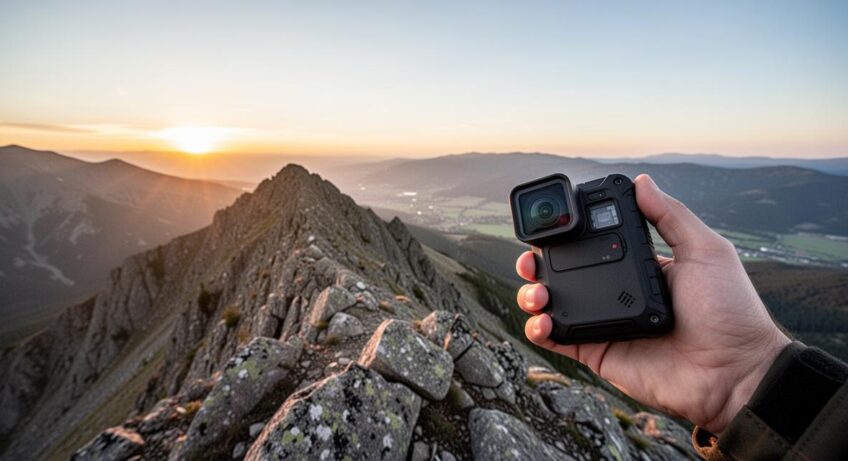
Choosing the right companion for your outdoor pursuits can make all the difference between footage you treasure and clips that simply miss the mark. Whether you’re scaling cliffs, diving into coral reefs, or tearing down mountain trails on a bike, the camera strapped to your helmet or chest needs to keep pace with your ambition. Understanding which features genuinely matter will save you from costly mistakes and help you capture memories worth reliving.
What to know
- High-resolution video capability is crucial for maintaining image clarity during editing and playback on large screens.
- Advanced stabilisation systems are essential for smoothing out motion and keeping horizons level during high-impact activities.
- A durable, waterproof build ensures the camera can withstand harsh environmental conditions like extreme temperatures, dust, and submersion.
- A wide-angle lens with adjustable field-of-view settings offers the versatility needed to capture both sweeping landscapes and specific action details.
- Effective power management, including long battery life and fast-charging capabilities, is vital for recording throughout full-day adventures.
- A reliable and diverse ecosystem of mounting accessories allows for secure attachment and creative filming angles across different sports.
Video quality and image stabilisation
High resolution capabilities for crystal-clear footage
When shopping for an action cam, resolution should sit near the top of your checklist. Footage recorded in four thousand pixels of horizontal detail delivers the kind of sharpness that lets you crop and reframe shots during editing without sacrificing clarity. Lower resolution options might suffice for casual snaps, but if you’re aiming to produce content that stands out, investing in a device with higher pixel density pays dividends. The difference becomes especially noticeable when footage is viewed on larger screens or shared on platforms where quality is scrutinised.
Advanced stabilisation systems for professional results
Shaky footage ruins even the most spectacular scenery, which is why stabilisation technology deserves serious consideration. Modern systems use a combination of software algorithms and physical gyroscopes to smooth out the bumps and jolts inherent to activities like mountain biking or skiing. The best cameras manage to keep horizons level and movements fluid, even when you’re bouncing over rough terrain. This technology has advanced considerably in recent years, meaning footage that once required expensive gimbals can now be achieved handheld or helmet-mounted.
Durability and environmental protection
Waterproof construction for underwater adventures
Water resistance isn’t just a nice extra; for many adventurers it’s absolutely essential. A properly sealed waterproof housing allows you to document surfing sessions, snorkelling trips, or sudden downpours without worrying about internal damage. Many quality cameras can withstand submersion to depths of ten metres or more without additional casing, though checking the manufacturer’s specific rating matters before you dive in. Some models offer supplementary housings for deeper exploration, extending their usefulness for scuba enthusiasts.
Robust build quality for extreme conditions
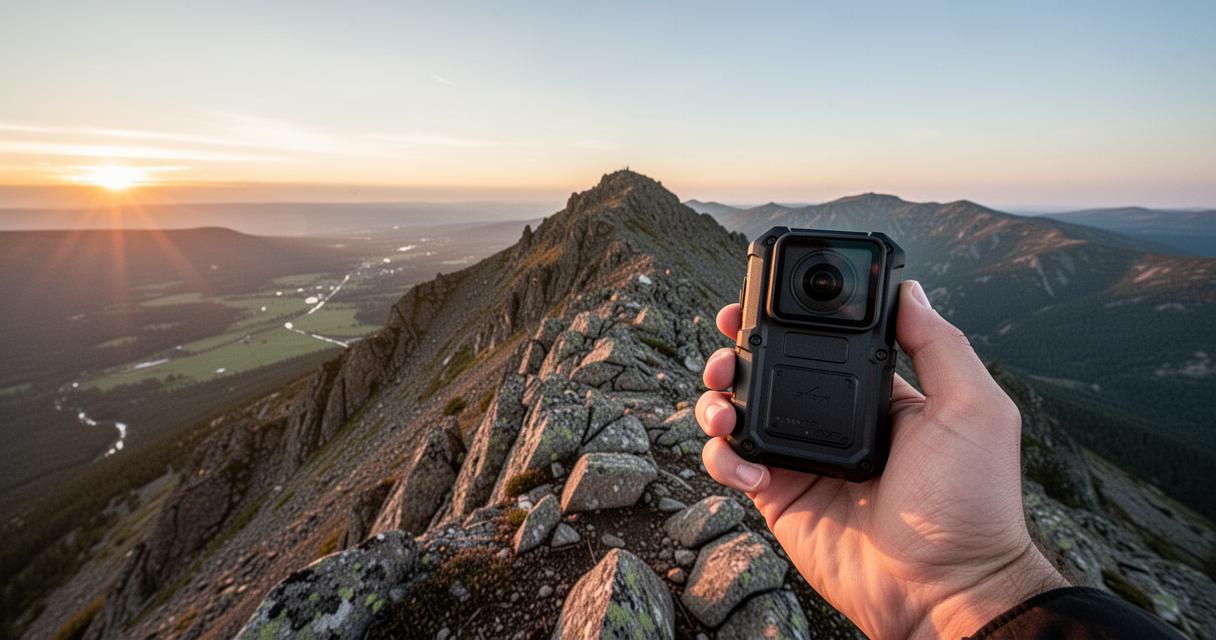
Beyond water, your camera will likely face dust, sand, extreme temperatures, and the occasional hard knock. A genuinely durable design incorporates reinforced casing and shock-resistant materials that can survive drops from a reasonable height. Cold weather performance matters too, particularly for skiers and winter hikers who need equipment that won’t fail when temperatures plummet. Look for cameras tested against recognised durability standards, as these give a reliable indication of how the device will cope with genuine wear and tear rather than laboratory conditions alone.
Optical performance and field coverage
Wide-angle lens capabilities
Capturing the full scope of your surroundings requires a lens with generous coverage. A wide field of view ensures that both the action in front of you and the sweeping landscape behind get included in the frame, which proves invaluable for activities where context enhances the story. Surfers benefit from seeing the wave alongside their manoeuvres, while cyclists appreciate capturing the trail stretching ahead. However, an overly aggressive angle can introduce distortion at the edges, so finding a balance suited to your particular sport is worthwhile.
Adjustable viewing angles for different activities
Versatility comes from cameras offering multiple field-of-view settings rather than a single fixed perspective. Switching between narrow, medium, and wide options allows you to tailor footage depending on whether you’re filming close-up details or expansive vistas. This flexibility means one device can serve equally well for intimate vlogging and sweeping action shots, making it a sensible investment for those who dabble in several different pursuits.
Power management and recording duration
Battery capacity for all-day adventures
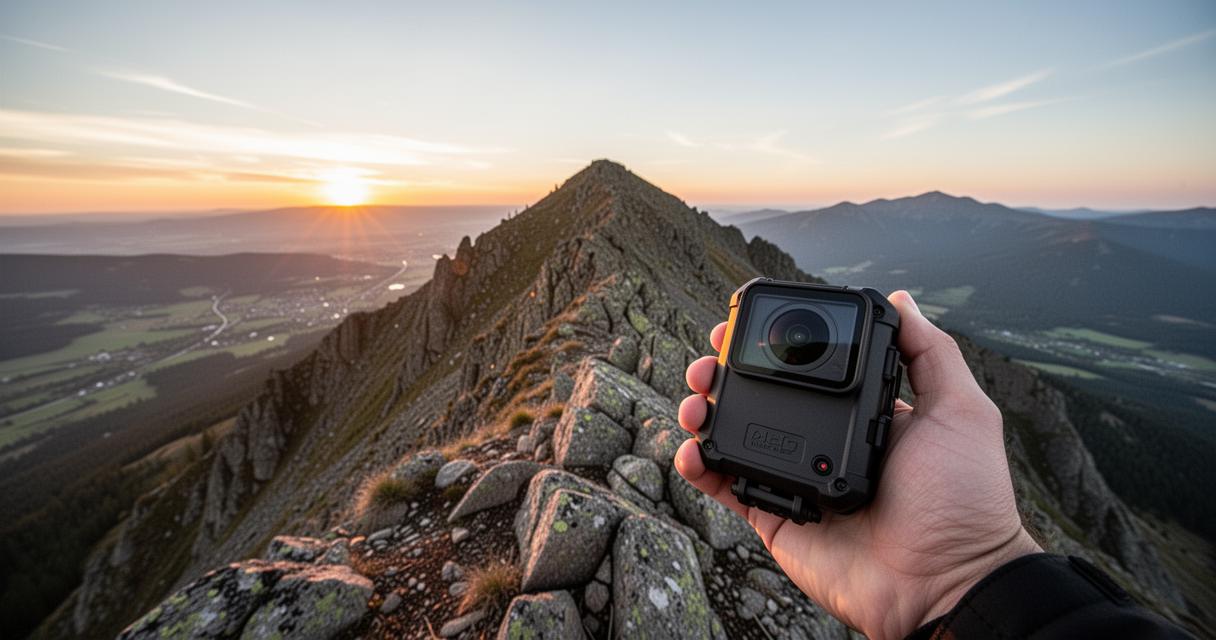
Nothing dampens enthusiasm quite like a camera dying halfway through an epic hike. Long battery life should factor heavily into your decision, particularly if you’re heading out for full-day excursions without easy access to charging points. Some cameras now offer several hours of continuous recording on a single charge, though actual performance varies depending on resolution settings and temperature. Carrying a spare battery or portable charger remains a sensible backup strategy regardless of how impressive the specifications appear.
Power-saving features and quick charging options
Efficient power management extends beyond raw battery capacity. Features such as automatic sleep modes, adjustable screen brightness, and selective sensor activation all contribute to squeezing more recording time from your device. Rapid charging capabilities also matter enormously, allowing you to top up power during a lunch break rather than waiting hours before heading back out.
Mounting systems and versatility
Diverse mounting accessories for every sport
The physical attachment options available for your camera dictate how creatively you can capture footage. A wide range of mounting accessories, from chest harnesses to handlebar clamps and helmet attachments, opens up countless filming perspectives. Manufacturers with extensive accessory ecosystems tend to offer better long-term value, as you can expand your setup gradually rather than being locked into limited configurations.
Secure attachment methods for action-packed activities
Reliability of these mounts matters just as much as their variety. A poorly secured camera risks falling off during high-impact activities, potentially damaging the device or, worse, injuring someone nearby. Look for mounting systems with robust locking mechanisms and consider additional safety tethers for particularly vigorous pursuits like mountain biking or whitewater rafting.
Usability and connectivity features
Intuitive controls and display interface
Fumbling with complicated menus while adrenaline is pumping isn’t ideal, so user-friendly controls genuinely matter. Touchscreen displays with clear icons, physical buttons that work even with gloved hands, and voice command options all contribute to a smoother filming experience. Simplicity in operation often translates to better footage, since you spend less time wrestling with settings and more time enjoying the moment.
Wireless Connectivity for Instant Sharing and Remote Control
Finally, Wi-Fi and Bluetooth connectivity have become standard expectations rather than luxuries. These features allow instant transfer of footage to smartphones, remote control via companion apps, and live preview capabilities that help you frame shots accurately before hitting record. For adventurers keen to share highlights quickly with friends or followers, this connectivity removes a significant barrier between capturing the moment and posting it online.