
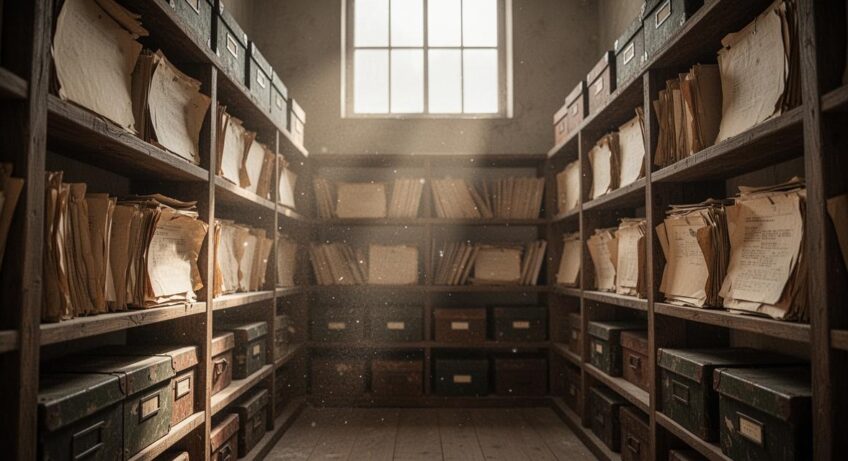
Every organisation, whether a small partnership or a sprawling multinational, eventually confronts the same practical dilemma: what to do with the mounting piles of paperwork that accumulate as business is conducted. Archives are not simply about tidiness; they represent a legal, operational, and historical necessity. From invoices and contracts to correspondence and statutory filings, the way a company stores its records can determine whether it thrives during an audit or founders under regulatory scrutiny. This article explores the fundamentals of document archiving, the storage solutions available from established brands, and the protective measures needed to safeguard information over time.
Key points
- Effective document archiving is a legal and operational necessity that supports business continuity, regulatory compliance, and the preservation of institutional memory.
- Organizations must implement structured retention policies to adhere to GDPR and statutory requirements, balancing information accessibility with secure, timely disposal.
- Choosing the right storage solution depends on document volume, access frequency, and available space, ranging from simple cardboard archive boxes to professional filing systems.
- Established brands like Esselte, Elba, and Exacompta offer diverse product lines, including lever arch files and specialized containers, to help maintain organized and professional workspaces.
- Businesses must distinguish between active filing for current projects and long-term archival storage for closed records to optimize office efficiency and document retrieval.
- Protecting archived records involves implementing physical safeguards, such as fire and water detection systems, and leveraging digitisation services to prevent document loss or unauthorized access.
Understanding the Fundamentals of Document Archiving and Legal Compliance
Proper archiving is far more than a housekeeping task tucked away in a back office. It forms the backbone of regulatory adherence and underpins the continuity of a business when disputes, inspections, or unforeseen events arise. Without a coherent system for document management, companies risk losing critical evidence of transactions, employment records, or financial statements precisely when they are needed most. A well-maintained archive also protects institutional memory, allowing organisations to trace decisions and agreements long after the individuals involved have moved on.
The Critical Importance of Proper Archives for Regulatory Adherence and Business Continuity
Businesses across every sector are expected to demonstrate that their records are accurate, retrievable, and protected against tampering. This is where the discipline of filing becomes indispensable. A robust archive allows a company to respond swiftly to legal requests, tax investigations, or customer disputes, rather than scrambling through disorganised boxes. Beyond compliance, there is a reputational dimension too; clients and partners tend to trust organisations that can produce documentation promptly and confidently.
Corporate Responsibilities in Document Retention: GDPR and Statutory Requirements
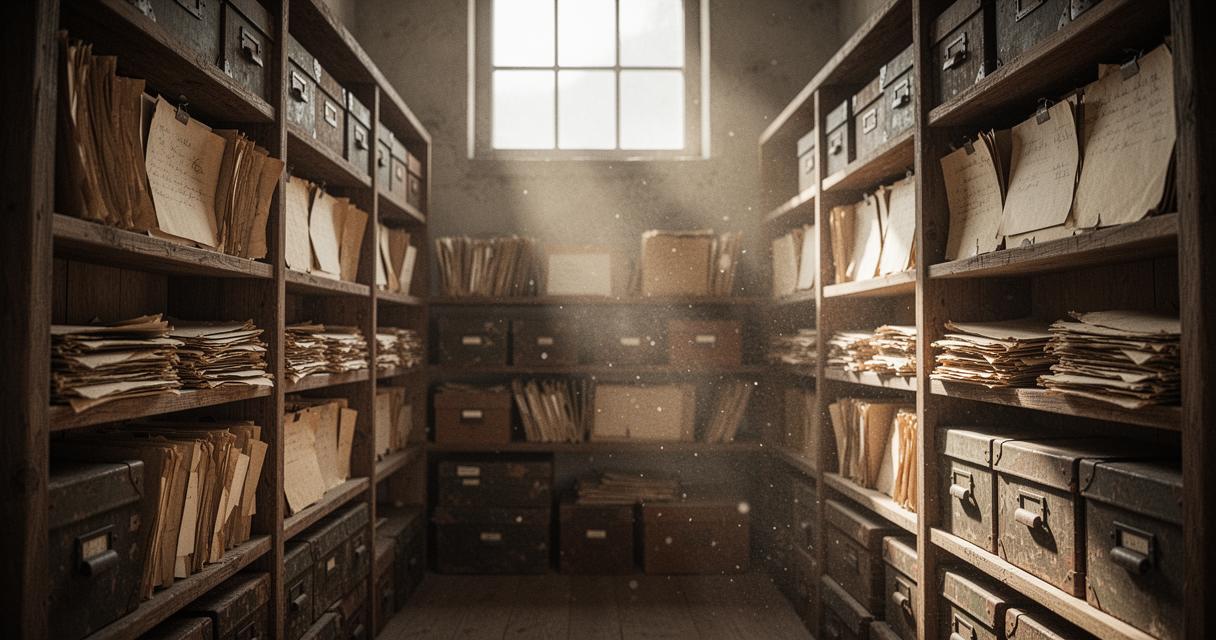
Under GDPR and various statutory frameworks, companies carry specific obligations regarding how long certain documents must be retained and how they should eventually be disposed of. Financial records, employment contracts, and health and safety documentation often have distinct retention periods, and failing to observe these can result in penalties or legal exposure. Effective document retention policies require organisations to balance the need to keep information accessible with the responsibility to eventually destroy it securely once its statutory life has expired. This is precisely where structured archive management proves invaluable, ensuring that nothing is kept longer than necessary while nothing essential is discarded prematurely.
Selecting appropriate storage solutions: from cardboard archives to professional filing systems
Once the legal groundwork is understood, attention turns to practical storage. The market offers an extensive range of products designed to keep paperwork organised, from simple cardboard containers to sophisticated filing cabinets. Choosing the right solution often depends on the volume of paperwork, the frequency of access required, and the available office space.
Comparing leading brands: esselte, elba, and exacompta storage systems
Among the most recognised names in this space are Esselte, Elba, and Exacompta, each offering distinct ranges suited to different needs. Esselte, now part of ACCO Brands, produces eco-friendly archive and transport containers that are both durable and easy to carry, making them ideal for storing binders and magazine files while keeping workspaces neat. These containers can even double as attractive gift boxes, showing a surprising versatility. Product categories typically include lever arch files, presentation binders, and ring binders, alongside design ranges such as VIVIDA, Colour’Breeze, and Rexel Choices, which bring a touch of style to otherwise functional office supplies. For those seeking presentation and organisation tools, card files, display books, and expanding files remain popular choices, while desktop organisation is often achieved through letter trays, magazine files, and drawer cabinets.

Distinguishing between active filing and long-term archival storage needs
Not all documents require the same treatment. Papers in active use, such as ongoing contracts or current invoices, belong in accessible filing systems close at hand, whereas records that have concluded their operational life but must still be retained for legal reasons are better suited to long-term archive boxes. This distinction between current documents and those destined for storage is essential for efficient office organisation, preventing clutter while ensuring that historical records remain retrievable when required. Many companies find it useful to periodically review their filing systems, moving documents from active use into archival storage as their relevance diminishes.
Implementing Effective Protection and Management Strategies for Archived Documents
Storing documents is only half the challenge; protecting them from damage, loss, or unauthorised access is equally vital. This is where specialised service providers step in, offering both physical infrastructure and digital solutions to safeguard valuable records.
Physical Safeguards and Environmental Controls in Office Archive Storage
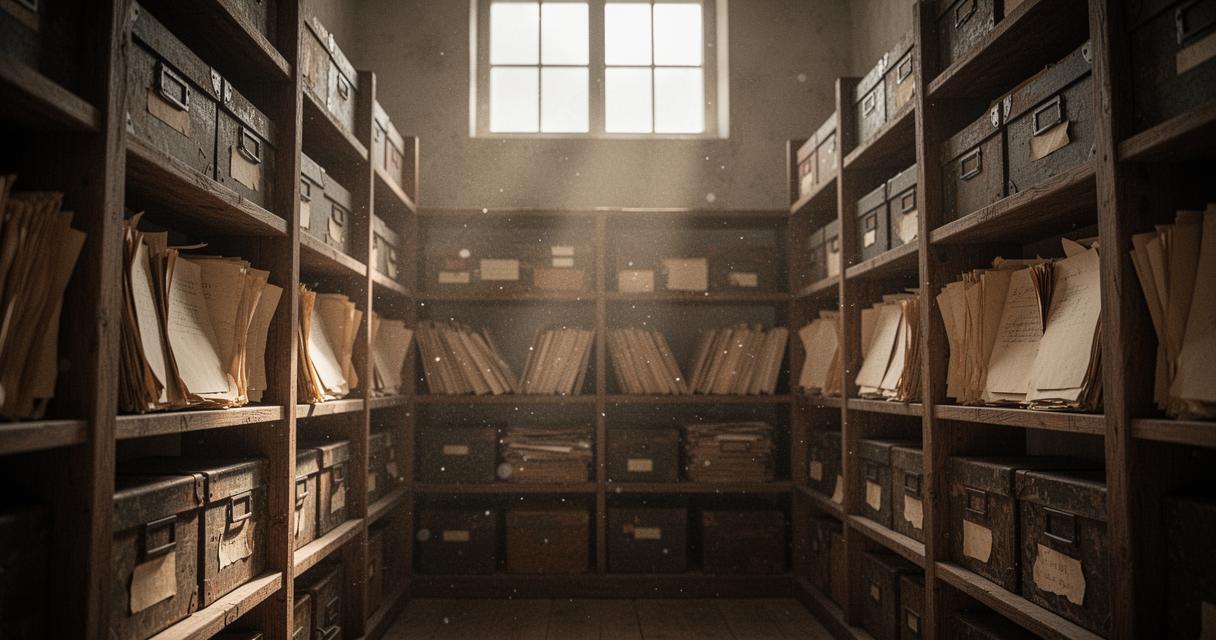
Companies such as Cleardata, operating within the UK document services sector, provide secure storage facilities equipped with fire detection and water detection systems to prevent catastrophic loss. Cleardata operates six storage facilities across the country and has built a reputation over two decades, now trusted by more than ten thousand companies. Their offerings extend well beyond simple storage, encompassing digitisation, document scanning, and digital mailroom services powered by AI automation. Specialised scanning capabilities cater to invoices, large format documents, microfiche, books, and even audio cassettes, demonstrating the breadth of formats that modern archives must accommodate. With a workforce of 160 employees, the company digitises over 160 million images annually, processing files at a striking rate of 730 images per minute, and collectively manages a staggering one billion documents.
Establishing Chain of Custody Protocols to Prevent Document Loss or Destruction
Maintaining an unbroken chain of custody is essential to ensure that documents remain authentic and legally defensible. Services such as collection, boxing up, ingestion, indexing, and file retrieval form the backbone of this process, allowing organisations to track exactly where a document has been at every stage. Cleardata’s accreditation to ISO27001:2022 underscores its commitment to information security, giving clients confidence that sensitive records are handled responsibly. Their scan-on-demand approach also supports sustainability goals, reducing unnecessary printing and helping businesses lower their carbon footprint. Free online archive management tools further empower clients to monitor and retrieve their records without unnecessary delay, while a dedicated contact line remains available for enquiries. Ultimately, whether a business relies on eco-friendly containers from Esselte or the comprehensive digital and physical services offered by specialists like Cleardata, the goal remains the same: preserving provenance, ensuring compliance, and protecting the integrity of every document entrusted to their care.