
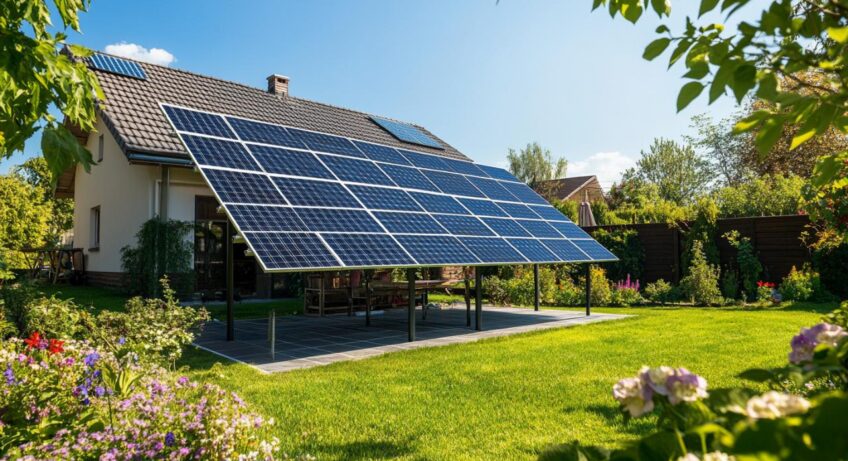
Harnessing the power of the sun to heat water in your home represents one of the most practical steps towards sustainable living. Solar water heating systems offer a compelling blend of environmental responsibility and financial prudence, transforming how households meet their daily hot water needs whilst significantly reducing their reliance on fossil fuels. As energy costs continue to fluctuate and climate concerns intensify, more homeowners are discovering that solar thermal technology provides a reliable, long-term solution that pays dividends for both the planet and the household budget.
Understanding solar water heating technology and its environmental impact
The fundamental principle behind solar water heating is remarkably straightforward yet ingeniously effective. Solar thermal collectors, typically mounted on a roof, absorb sunlight and convert it into thermal energy. This energy is then transferred through a heat transfer system, usually containing a mixture of water and antifreeze, which circulates through copper heating tubes embedded within the collectors. The heated fluid travels to a storage tank where it transfers its warmth to the household water supply, ready for use in taps, showers, and appliances throughout the day.
How solar thermal collectors harness natural energy
Two primary types of solar thermal collectors dominate the UK market, each suited to different climatic conditions and budget considerations. Flat-plate collectors represent the most common choice for British homes, featuring a black aluminium solar panel housed within an insulated case that measures approximately 260 by 210 by 60 millimetres in typical residential installations. These collectors excel in sunnier areas and offer a more economical entry point into solar water heating. The design incorporates copper heating tubes with stoppers that ensure efficient heat transfer whilst preventing fluid loss, all protected within a robust plastic case that withstands the elements.
Evacuated tube collectors, whilst more expensive initially, deliver superior performance in cooler climates that characterise much of the United Kingdom. These systems consist of rows of glass tubes, each containing a copper heat pipe, that create a vacuum-sealed environment to minimise heat loss. For a family of three to four members, installing five square metres of collector area or between twenty and thirty evacuated tubes typically provides sufficient capacity to meet sixty to seventy per cent of annual hot water needs. The choice between these technologies depends on roof orientation, available space, and local weather patterns, with south-facing roofs offering optimal solar exposure throughout the year.
Reducing your carbon footprint through renewable water heating
The environmental benefits of solar water heating extend far beyond the individual household, contributing meaningfully to broader climate objectives. A typical system installed in the United Kingdom cuts carbon dioxide emissions by between 230 and 510 kilograms each year, with the average reduction hovering around 400 kilograms annually. This substantial decrease in greenhouse gas output occurs because solar thermal systems displace the need for gas boilers or electric immersion heaters that rely on carbon-intensive energy sources. Over the expected lifespan of more than twenty years, a single residential installation can prevent several tonnes of carbon dioxide from entering the atmosphere.
The technology proves particularly effective when integrated with complementary systems such as smart immersion heaters and energy storage solutions. Products like the EcoFlow PowerGlow work alongside solar photovoltaic panels, whilst home battery systems such as the EcoFlow PowerOcean store excess energy generated during peak sunlight hours for use when solar input diminishes. This synergy between solar thermal and photovoltaic technologies maximises renewable energy utilisation, further diminishing dependence on grid-supplied electricity derived from fossil fuels. The educational value of understanding these systems cannot be overstated, with working models demonstrating solar heating principles now widely used in schools and colleges across the nation.
Financial Benefits and Long-Term Savings of Solar Water Heating Systems

Whilst the environmental case for solar water heating is compelling, the financial rationale proves equally persuasive for many households. The technology delivers tangible reductions in energy expenditure that accumulate substantially over time, offsetting the initial capital outlay and ultimately generating net savings that persist for decades. Understanding the economics of solar water heating requires examining both upfront costs and the ongoing financial advantages that accrue through reduced fuel consumption.
Initial investment versus lifetime energy bill reductions
Installation costs for solar water heating systems in the United Kingdom typically range from three thousand to six thousand pounds, depending on system size, collector type, and site-specific requirements. Before installation can proceed, a professional assessment evaluates roof suitability, ensuring adequate space of three to five square metres and confirming structural integrity to support the panels. The existing hot water cylinder must accommodate a twin-coil configuration, allowing the solar-heated water to transfer its warmth to the domestic supply without cross-contamination. These preparatory steps, whilst adding to the initial expense, ensure optimal system performance and longevity.
Against this upfront investment, homeowners can expect annual savings of roughly one hundred to two hundred pounds compared to heating water with a conventional gas boiler. A well-designed system covering sixty to seventy per cent of annual hot water requirements substantially reduces the workload on traditional heating appliances, translating directly into lower fuel bills. Over a twenty-year operational period, cumulative savings can approach or exceed four thousand pounds, effectively recouping the installation cost whilst delivering free hot water for subsequent years. The digital thermometer included in many installations allows homeowners to monitor system performance, measuring temperature gains in both Celsius and Fahrenheit to verify efficient operation.
Government Incentives and Feed-in Tariffs for Solar Installation
Recent policy developments have enhanced the financial attractiveness of solar water heating through targeted fiscal incentives. The current zero per cent VAT rate applied to solar thermal installations eliminates a significant tax burden that previously added hundreds of pounds to project costs. This incentive, combined with the annual bill savings of one hundred to two hundred pounds and the average carbon reduction of approximately 400 kilograms yearly, strengthens the economic case for adoption. Homeowners investing today benefit from both immediate tax relief and ongoing operational savings that compound over the system's lifespan.
The manufacturing landscape for solar thermal equipment reflects a commitment to quality and local production. Companies such as EcoStyle, based in Cranfield, Bedfordshire, have earned recognition through innovation awards and demonstrated environmental responsibility by manufacturing products by hand within the United Kingdom. Their educational models, priced at eighty-three pounds and ninety-five pence, provide working demonstrations of solar water heating principles suitable for both outdoor use in direct sunlight and indoor presentations using artificial lamps. These teaching aids, complete with insulation blocks and detailed instructions stored in a protective case weighing 750 grammes total, help demystify the technology for students and prospective adopters alike.
The complementary technologies available alongside solar water heating create opportunities for comprehensive renewable energy solutions. Wind turbine kits and solar photovoltaic kits expand the range of clean energy options accessible to households and educational institutions, with UK schools able to procure these items using purchase orders and international delivery ensuring global availability. As the technology matures and installation expertise becomes more widespread, solar water heating systems continue their transformation of residential properties into eco-friendly havens that harmonise environmental stewardship with practical economic benefits. With proper maintenance limited to annual checks and antifreeze top-ups, these systems deliver reliable performance spanning decades, representing one of the most durable investments in sustainable home technology available today.