
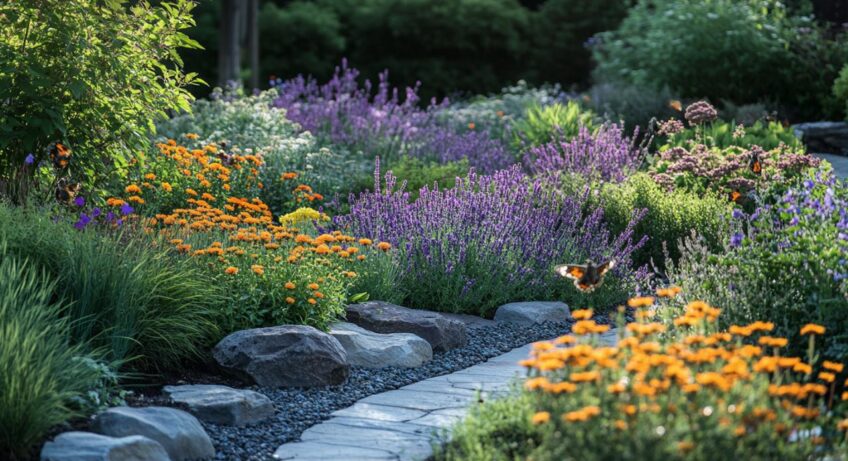
Transforming an ordinary outdoor space into a thriving sanctuary for wildlife is one of the most rewarding endeavours a gardener can undertake. A well-designed functional garden not only offers visual splendour throughout the changing seasons but also plays a crucial role in supporting the delicate ecosystems that surround us. With pollinator populations facing mounting pressures from habitat loss and environmental challenges, creating a garden that welcomes bees, butterflies, and other beneficial insects has never been more vital. By thoughtfully selecting plants, incorporating natural features, and planning for year-round interest, anyone can craft a haven that nurtures biodiversity whilst enhancing the beauty and utility of their home.
Creating a Pollinator-Friendly Haven Throughout the Seasons
Establishing a garden that actively supports pollinators requires an understanding of their needs across the entire calendar. These remarkable creatures rely on a steady succession of flowering plants to provide nectar and pollen from early spring through to the depths of winter. The decline of pollinator populations in the United Kingdom is primarily attributed to the dramatic loss of natural wildflower habitats, with estimates suggesting that up to ninety percent of these vital areas have vanished. This alarming trend has placed over a quarter of Britain's native plant species at risk of extinction, making every garden a potential refuge for these essential visitors.
When considering how to best serve the needs of bees, butterflies, moths, beetles, wasps, flies, and hornets, it is important to recognise that each season presents unique challenges and opportunities. Spring heralds the awakening of many species, whilst summer offers an abundance of blooms. Autumn provides critical late-season resources, and winter demands hardy plants capable of breaking through frost and snow. By planning a garden that addresses these seasonal variations, you create a reliable food source that sustains pollinators when they need it most. For those seeking further guidance on nurturing outdoor spaces, visit our gardening tips section to explore additional strategies and insights.
Selecting native plants for continuous blooming cycles
The cornerstone of any pollinator-friendly garden lies in the careful selection of native species that bloom in succession throughout the year. Native plants have evolved alongside local pollinators, making them ideally suited to provide the nutrients and structures these creatures require. They also tend to demand less maintenance, adapt better to regional soil conditions, and support a broader range of beneficial insects. When planning your planting scheme, it is essential to choose varieties that flower at different times, ensuring a continuous supply of nectar and pollen from the first thaw of winter to the final days of autumn.
In spring, lungwort thrives in containers and offers early sustenance, whilst peonies flourish in rich, dry soil with ample sunlight. Magnolia trees love moist conditions and bask in sunny spots, and pussy willow provides pollen remarkably high in protein, a boon for emerging bees. As the weather warms, summer brings the fragrant allure of lavender, which produces both pollen and nectar in abundance. Foxgloves, with their tubular blooms, attract bumblebees that assist honeybees in accessing precious pollen. Hawthorn, tolerant of all soil types, thrives in sunny conditions, whilst marjoram, also known as oregano, delights pollinators with its nectar-rich flowers.
Autumn extends the season with asters, which require generous watering, and honeysuckle, a sweet-smelling vine that continues to offer resources as temperatures drop. Dahlias with single blooms provide accessible landing spots, and sedum serves as a late source of both pollen and nectar. Winter, often overlooked in garden planning, holds surprises for pollinators. Winter aconite emerges as an early spring source of pollen, whilst hellebores offer sugar-rich nectar and high-protein pollen, thriving particularly well in alkaline soil. Snowdrops provide rich nectar for bees venturing out on milder days, and mahonia produces copious amounts of nectar. Crocus, remarkably resilient, can break through ice and snow to deliver sustenance when little else is available. This thoughtful succession ensures that pollinators find nourishment regardless of the season.
Establishing Shelter and Nesting Sites for Beneficial Insects
Beyond providing food, a truly functional garden offers shelter and nesting opportunities for pollinators. Many species require safe havens to rest, overwinter, or raise their young, and incorporating these elements into your design significantly enhances the habitat value of your space. Butterflies, for instance, favour sunny spots with protection from strong winds, making sheltered corners and south-facing borders ideal locations. Dense shrubs, climbing plants, and native hedgerows create natural windbreaks and offer refuge from predators.
Leaving areas of the garden slightly wild can be immensely beneficial. Piles of logs, undisturbed patches of soil, and bundles of hollow stems provide nesting sites for solitary bees and other insects. Some gardeners choose to install purpose-built bee blocks or insect hotels, which mimic natural nesting cavities and attract a diverse array of beneficial species. Additionally, allowing certain plants to die back naturally rather than cutting them to the ground in autumn provides overwintering habitats for insects within the stems and seed heads. Even something as simple as leaving a small corner of lawn unmown during No Mow May can create a haven for pollinators, as white clover, dandelion, daisy, and yellow rattle thrive in these conditions and offer early nectar sources.
Maximising garden functionality whilst supporting local wildlife
A garden designed with pollinators in mind need not sacrifice aesthetic appeal or practical utility. In fact, the principles that attract beneficial insects often align beautifully with creating a visually striking and functional outdoor space. The key lies in integrating diverse elements that serve multiple purposes, from providing food and shelter for wildlife to offering enjoyment and productivity for the gardener.
Incorporating water features and natural landing spots
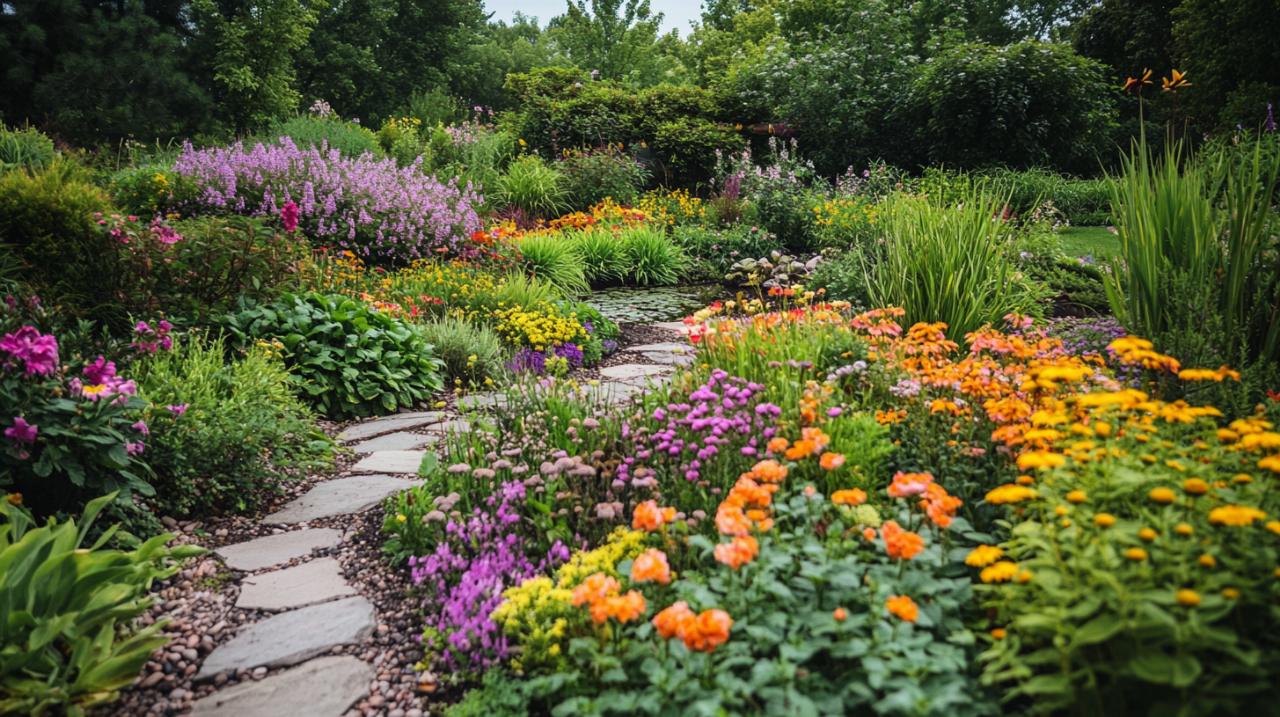
Water is an essential resource for pollinators, particularly during hot summer months. Bees require water for hydration and to regulate the temperature of their hives, whilst butterflies drink from shallow puddles. Incorporating a water feature into your garden, whether a simple birdbath, a small pond, or a shallow dish filled with pebbles and water, provides a vital lifeline. The pebbles or stones serve as landing platforms, preventing insects from drowning and allowing them to safely access the moisture they need.
When positioning water features, consider placing them in sunny areas where butterflies are likely to bask. A shallow dish near flowering plants creates a convenient watering station that pollinators will visit repeatedly. If space permits, a pond with gently sloping edges and native aquatic plants not only supports pollinators but also attracts a wider range of wildlife, including frogs, dragonflies, and birds. These creatures contribute to a balanced ecosystem, naturally controlling pests and enriching the biodiversity of your garden.
Natural landing spots extend beyond water sources. Flat stones or patches of bare soil in sunny locations offer butterflies warm surfaces on which to rest and regulate their body temperature. These simple additions cost nothing yet significantly enhance the habitat value of your garden, demonstrating that even small, thoughtful touches can make a profound difference.
Planning layered planting schemes for all-season appeal
Layering plants of varying heights and bloom times creates a dynamic garden that remains visually engaging throughout the year whilst maximising space for pollinators. This approach involves combining trees, shrubs, perennials, and ground covers to establish different strata within the garden, each serving a unique ecological function. Taller trees and shrubs provide shelter and early spring blooms, mid-height perennials offer summer and autumn flowers, and low-growing ground covers carpet the soil and suppress weeds.
Before planting, assess your location carefully. Understanding your soil type, whether sandy or clay-like, and the amount of sunlight your garden receives allows you to select plants best suited to those conditions. Native species are generally the wisest choice, as they require less maintenance and support local ecosystems more effectively. It is also crucial to source plants that have not been treated with pesticides or insecticides, as these chemicals can harm the very pollinators you are trying to attract.
Perennials form the backbone of a sustainable pollinator garden, returning year after year and reducing the need for constant replanting. Combining perennials with carefully chosen annuals and biennials ensures that something is always in bloom. When planning your layered scheme, consider the so-called June Gap, a period when fewer flowers are available. Plants such as common knapweed, common poppy, common comfrey, and borage help bridge this gap, providing crucial resources when other blooms have faded.
For those working with large gardens, starting from seed offers a cost-effective solution, though it requires patience, as seeds are best sown in the fall or late winter and may take time to establish. Smaller spaces or those seeking quicker results may prefer purchasing plants from a reputable nursery. When planting, remove grass and loosen the soil, enriching it with compost to provide a fertile foundation. Scatter seeds generously or dig holes large enough to accommodate plant roots, then add mulch to suppress weeds and retain moisture. Regular watering and weeding will encourage healthy growth, though some plants, such as milkweed, may take a couple of seasons to flower fully.
For gardeners without access to traditional garden beds, containers, hanging baskets, and window boxes offer excellent alternatives. These smaller plantings can be just as effective in supporting pollinators, particularly when filled with nectar-rich blooms and positioned in sunny, sheltered spots. Even a modest balcony can become a vital refuge for bees and butterflies, demonstrating that every effort, regardless of scale, contributes to the broader conservation effort.
The decline of pollinators is a pressing environmental concern, but through thoughtful garden design and a commitment to sustainable practices, each of us can play a role in reversing this trend. Initiatives such as the Hives for Lives programme by Rowse Honey, which focuses on restoring nectar sources, highlight the collective impact of individual actions. By creating gardens that bloom throughout the year, offering shelter, water, and diverse native plants, we not only enhance our own surroundings but also contribute to the preservation of vital species and the health of our ecosystems. A functional garden, rich in beauty and biodiversity, stands as a testament to the harmonious relationship between people and nature, offering rewards that extend far beyond the boundaries of our own plots.