
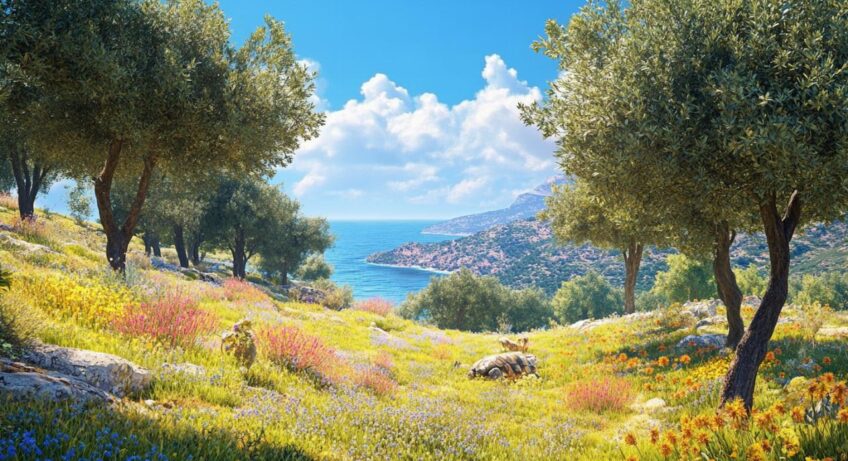
The Mediterranean region stands as one of the planet's most captivating natural treasures, boasting an extraordinary array of life that has evolved over millennia. Stretching across diverse coastal landscapes and inland terrains, this area represents a remarkable convergence of climatic conditions and geographical features that have shaped a biological heritage unlike any other. From the sun-drenched hillsides adorned with aromatic herbs to the azure waters teeming with marine creatures, the region offers an endless tapestry of ecological wonders that continue to fascinate scientists, conservationists, and nature enthusiasts alike.
Remarkable plant life: mediterranean flora treasures
Endemic species thriving in coastal landscapes
The coastal zones of the Mediterranean basin harbour botanical marvels that have adapted to thrive in conditions that would challenge most vegetation. These shores present a unique environment where salt-laden winds, rocky substrates, and intense sunlight combine to create niches for specialist plants. Among the most distinctive features of this landscape are species that exist nowhere else on Earth, having evolved in isolation to exploit the particular characteristics of their habitat. The interplay between land and sea has fostered communities of plants that can tolerate saline soils whilst also enduring periods of drought, demonstrating nature's remarkable capacity for adaptation.
Beneath the waves, the seagrass meadows formed by Posidonia oceanica represent one of the most vital components of the coastal ecosystem. This endemic plant, often mistaken for seaweed, actually flowers and produces seeds like terrestrial flowering plants. Its extensive root systems stabilise sediments and provide nursery grounds for countless marine organisms, from tiny seahorses to juvenile fish of commercial importance. The meadows act as underwater forests, offering shelter and sustenance whilst simultaneously producing oxygen and sequestering carbon at rates that rival tropical rainforests. Despite occupying less than one per cent of the world's oceanic surface, the waters surrounding these coasts support an astonishing diversity, with roughly seven per cent of all catalogued marine species making their home here, and a remarkable quarter to thirty per cent of these being found exclusively in these waters.
Drought-resistant vegetation and aromatic shrubs
The terrestrial vegetation of the region has mastered the art of survival in an environment characterised by scorching summers and unpredictable rainfall. The landscape is dominated by plants that have developed ingenious strategies to conserve water and withstand prolonged dry spells. Many species feature small, thick leaves coated with waxy layers or fine hairs that reduce water loss through evaporation. Others possess deep root systems that tap into subterranean moisture reserves, allowing them to remain green and vigorous even when surface soils have turned to dust.
The aromatic shrublands known as maquis and garrigue blanket hillsides with a fragrant tapestry of rosemary, thyme, lavender, and sage. These plants release their essential oils most intensely during the hottest parts of the day, filling the air with scents that have become synonymous with the region itself. Beyond their sensory appeal, these compounds serve practical functions, deterring herbivores and reducing water loss. The vegetation also includes numerous species of oak, pine, and olive trees, many of which have been cultivated by humans for thousands of years yet still maintain wild populations. Cork oak forests provide sustainable harvests whilst supporting diverse understoreys, and Aleppo pines colonise exposed slopes where few other trees can establish themselves. This remarkable mediterranean flora and fauna interweaves in intricate relationships, with pollinators, seed dispersers, and herbivores all playing roles in maintaining the ecological balance.
Extraordinary wildlife: the mediterranean's distinctive fauna
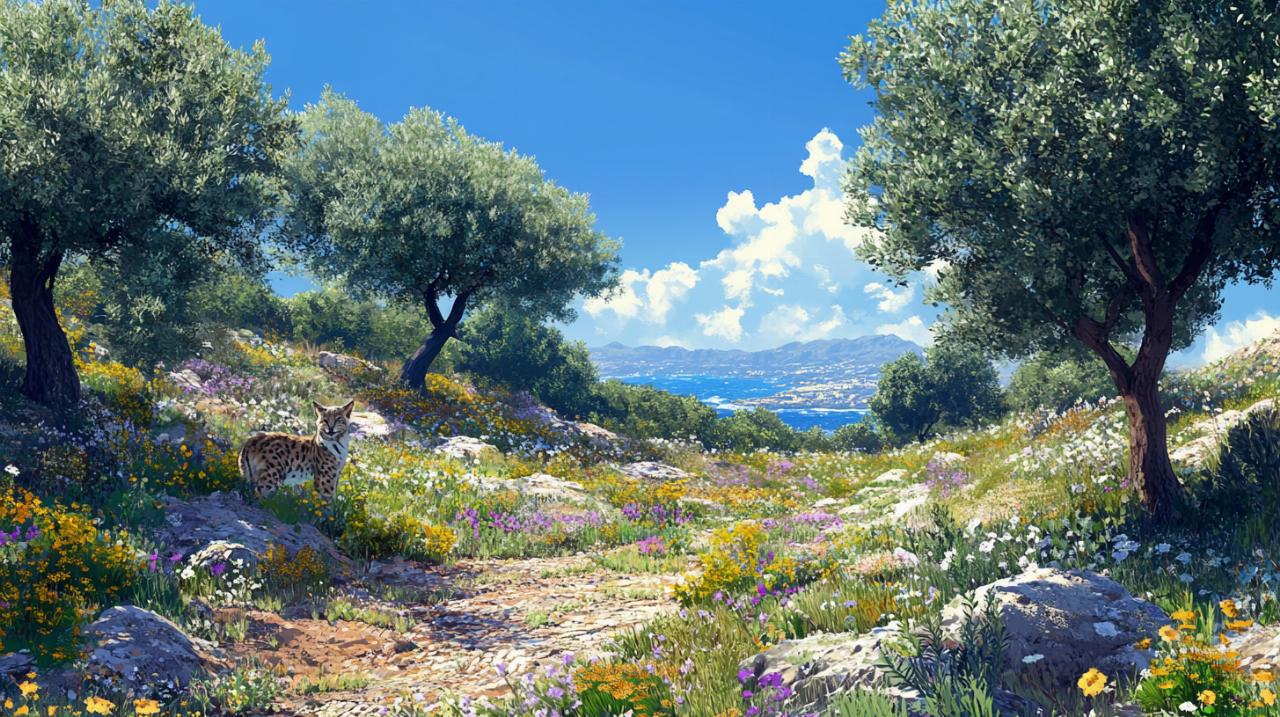
Native Mammals and Reptiles Adapted to the Climate
The animal kingdom of this region displays equally impressive adaptations to the challenging environmental conditions. Mammals such as the Iberian lynx, Mediterranean monk seal, and various species of bats represent the higher vertebrates that have carved out ecological niches in these lands and waters. Many mammals exhibit nocturnal habits, avoiding the fierce midday heat by retreating to burrows, caves, or dense vegetation during daylight hours. This behavioural adaptation allows them to conserve energy and water whilst hunting or foraging during cooler periods when prey species are also active.
Reptiles particularly flourish in this climate, with lizards, snakes, and tortoises found in abundance across varied habitats. The warm temperatures provide ideal conditions for these cold-blooded creatures, which bask in morning sunshine to raise their body temperatures before pursuing daily activities. Chameleons inhabit certain southern coastal areas, their colour-changing abilities serving both communication and camouflage functions. Marine reptiles include several species of sea turtles that return to specific beaches to lay their eggs, a behaviour that has persisted for millions of years despite increasing human pressures on nesting sites. The underwater realm hosts its own cast of distinctive characters, including the octopus with its remarkable intelligence and problem-solving abilities, the delicate seahorse that clings to vegetation with its prehensile tail, and the moray eel lurking within rocky crevices. Colourful tree corals and yellow solitary corals add splashes of vivid hues to submarine landscapes, whilst jellyfish drift through the currents in hypnotic displays.
Conservation efforts protecting rare species
Recognising the irreplaceable value of this biological heritage, numerous organisations and institutions have dedicated themselves to conservation initiatives. These efforts range from habitat restoration projects to captive breeding programmes for critically endangered species. Marine protected areas have been established to safeguard crucial spawning grounds and feeding territories, with restrictions on fishing practices helping depleted populations to recover. Educational programmes play a vital role in fostering public awareness and engagement, with facilities offering immersive experiences that connect visitors to the natural world in meaningful ways.
Interactive exhibitions allow people to observe creatures such as sharks and stingrays in carefully maintained environments that replicate natural conditions. These encounters serve not merely as entertainment but as powerful tools for inspiring conservation action, as visitors gain appreciation for species they might otherwise never encounter. Behind-the-scenes tours reveal the dedicated work of marine biologists and aquarists who monitor animal health, conduct research, and participate in breeding programmes for vulnerable species. Scientific presentations and school visits extend this educational mission to younger generations, cultivating environmental stewardship from an early age. The integration of sustainable practices in everyday life, from choosing eco-friendly furniture crafted from natural materials to supporting businesses that prioritise responsible sourcing, reflects a growing consciousness about humanity's relationship with the natural world. This holistic approach recognises that protecting the region's unique flora and fauna requires not only formal conservation measures but also shifts in consumer behaviour and lifestyle choices. As awareness grows about the interconnectedness of terrestrial and marine ecosystems, the commitment to preserving these extraordinary environments for future generations continues to strengthen, ensuring that the Mediterranean's biological treasures endure for centuries to come.